
Quilting offers endless creative possibilities, and one of the most important decisions you’ll make as a quilter is choosing whether to quilt by hand or by machine. Both methods are widely used, both can produce beautiful results, and both come with unique strengths and challenges. If you’re new to quilting or deciding which method is best for your next project, understanding the differences will help you make an informed choice. This article explores the benefits, limitations, techniques, and ideal uses of hand quilting versus machine quilting, giving you a complete picture of which approach may be better for your style, skill level, and goals.
Understanding Hand Quilting
Hand quilting is the traditional method of sewing the three quilt layers together using a needle and thread. This technique has been practiced for centuries and is valued for its softness, artistry, and connection to heritage. Many quilters appreciate hand quilting because it offers a slow, calming, and meditative experience. The stitching is done manually, typically in even running stitches that form a pattern across the quilt. Hand quilting allows the artist to create curves, delicate designs, and subtle textures that give the quilt a unique handmade character.
Benefits of Hand Quilting
One major advantage of hand quilting is its aesthetic quality. The stitches have a gentle, organic look that machine stitches cannot perfectly replicate. Hand-quilted pieces tend to feel softer and less stiff than machine-quilted ones, making them ideal for heirloom quilts, baby blankets, and décor pieces where softness matters. Another benefit is flexibility. Hand quilting allows you to quilt in any direction, follow intricate shapes, and create custom designs without the limitations of machine settings or walking feet. Many quilters also enjoy the peaceful, rhythmic nature of hand quilting. It’s a slower process, but it provides a sense of relaxation and accomplishment that is deeply satisfying.
Limitations of Hand Quilting
While beautiful, hand quilting can be time-consuming. Depending on the size and complexity of a project, it may take weeks or months to complete. For large quilts, this can be a significant challenge, especially for beginners or those with limited time. Hand quilting also requires consistent stitch length and good finger strength, which can take practice to develop. Thick fabrics, dense batting, or heavily pieced quilt tops may be difficult to hand quilt. Additionally, because the stitches are made manually, they may not be as durable as machine stitches on quilts that will be washed frequently or used daily.
Understanding Machine Quilting
Machine quilting has become the most common method for modern quilters. It uses a sewing machine—or a longarm quilting machine—to stitch the layers of the quilt together. Machine quilting offers a wide range of possibilities, from straight-line stitches to elaborate free-motion patterns. Many quilters choose machine quilting because of its speed and efficiency. Even large quilts can be completed in a much shorter time compared to hand quilting, making this method ideal for busy quilters or those producing quilts for sale.
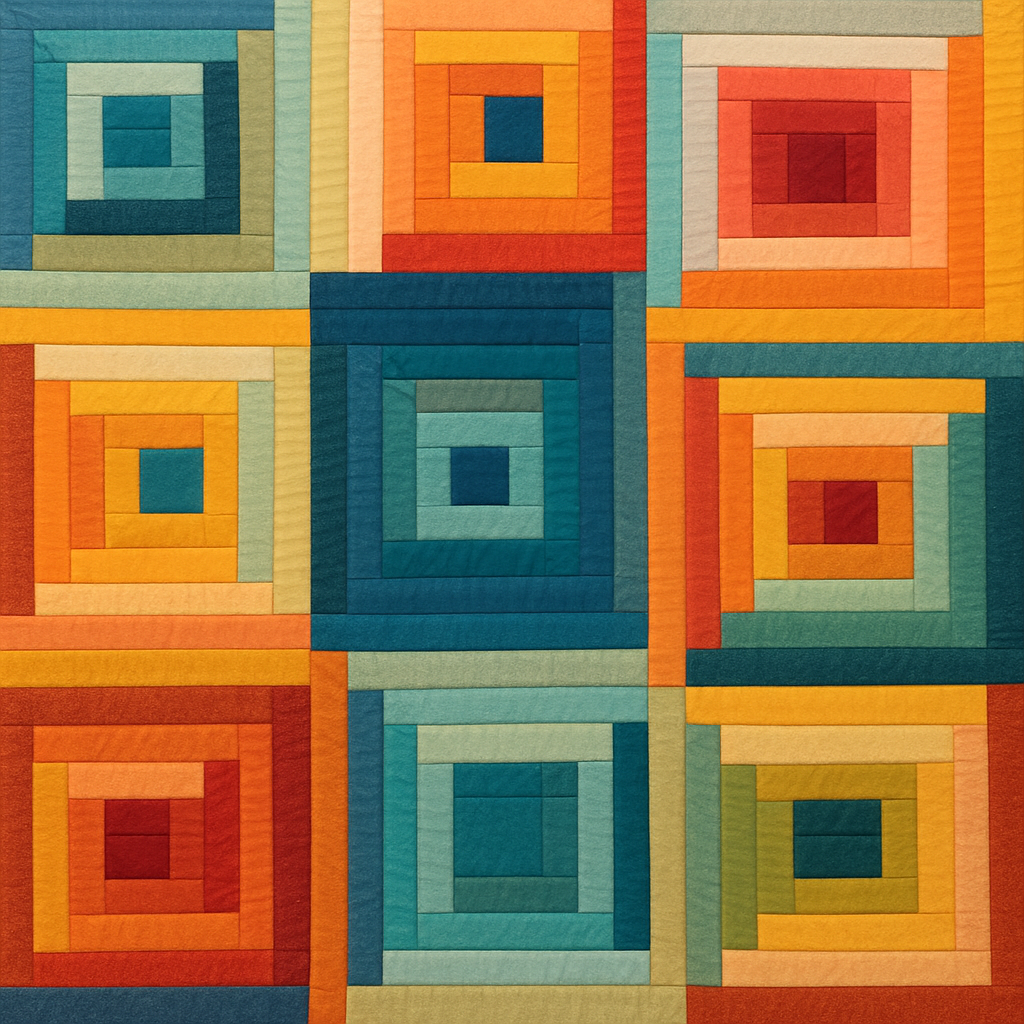
Benefits of Machine Quilting
The greatest strength of machine quilting is speed. A quilt that might take months to hand quilt can often be completed in a weekend using a sewing machine. Machine quilting is also durable. The stitches are tight, secure, and able to withstand frequent washing and daily use. This makes machine quilting the preferred method for functional quilts such as bed quilts, picnic quilts, or children’s quilts. Machine quilting offers versatility as well. With free-motion quilting, you can create loops, swirls, waves, feathers, and countless artistic patterns. Many sewing machines include decorative stitches, giving quilters an endless range of design options. Machine quilting also works well with thick batting and heavily pieced quilt tops, making it practical for complex modern designs.
Limitations of Machine Quilting
Machine quilting requires certain tools and skills that beginners may need time to learn. Straight-line quilting is simple, but free-motion quilting can feel challenging at first because it requires smooth control of movement and even stitch length. Another limitation is the size of your sewing machine’s throat space—the area between the needle and the machine body. Quilting large quilts on a small domestic machine can be physically demanding because the bulk of the quilt can become difficult to maneuver. Longarm quilting machines solve this issue, but they are expensive, large, and not accessible to everyone. Machine quilting can also produce a stiffer texture compared to the softness of hand quilting, especially if the quilting lines are dense.
Comparing the Look and Feel
Hand quilting creates a timeless, soft, handcrafted look. The stitches are slightly raised and irregular in a charming way, giving quilts an heirloom quality. Machine quilting produces clean, precise stitches that create a polished, modern appearance. The look is often more uniform and crisp. The feel of the quilt also differs. Hand-quilted pieces drape gently and feel more flexible, while heavily machine-quilted quilts tend to feel firmer. Neither is inherently better—your choice depends on the style you want to achieve.
Which Method Is Better for Beginners?
For beginners, the easier method depends on personal preference. Machine quilting is faster and may feel more intuitive if you’re already comfortable with a sewing machine. Straight-line stitching is a simple starting point that helps new quilters finish projects quickly. Hand quilting, however, can be easier in a different way because it requires fewer tools and allows you to work slowly at your own pace. If you enjoy hand sewing and don’t mind taking your time, hand quilting can be a rewarding entry point. The key is to try both methods and see which one feels more natural to you.
When to Choose Hand Quilting
Hand quilting is ideal when you want to create a sentimental, traditional, or delicate piece. It is especially well-suited for heirloom quilts, wall hangings, lightweight throws, or quilts with simple piecing. Hand quilting also works beautifully for quilts with lots of negative space where the hand stitches become an elegant decorative element. If you value craftsmanship, quiet creativity, and the charm of handmade work, hand quilting is a perfect choice.
When to Choose Machine Quilting
Machine quilting is the best choice for quilts that will see heavy use or frequent washing. It is ideal for bed-sized quilts, modern designs with dense quilting, or projects with thick batting. Machine quilting also shines when you want to complete quilts quickly or explore complex quilting patterns. If you’re producing quilts to sell or gifting multiple quilts, machine quilting helps you work efficiently without sacrificing beauty.
The Best Solution: Combine Both
Many quilters use both methods depending on the project. You can machine quilt the main areas and hand quilt certain sections for decorative detail. This hybrid approach offers speed, efficiency, and artistry all in one quilt. Combining methods is especially useful for modern quilts, where clean machine stitching pairs beautifully with hand-sewn motifs.
Choosing the Method That Works for You
Ultimately, neither method is “better” than the other. Both hand quilting and machine quilting have unique benefits, aesthetics, and uses. The best choice depends on your style, time availability, goals, and personal preference. Some quilters find joy in the slow, meditative process of hand quilting. Others prefer the efficiency, versatility, and durability of machine quilting. Many enjoy using both methods to bring different creative visions to life. No matter which approach you choose, quilting remains a rewarding craft that allows you to create beautiful, meaningful pieces that reflect your creativity and skill.