
Crochet and quilting are two beautiful fiber arts with rich traditions and unique techniques. Quilting uses fabric, patchwork, and precise stitching to create structured designs, while crochet relies on yarn and rhythmic loops to build texture and shape. When combined, these two crafts create truly stunning, one-of-a-kind pieces that showcase the best of both worlds. Mixed-media projects are becoming increasingly popular as crafters look for new ways to personalize their work. This guide explores creative ways to blend crochet and quilting into hybrid projects that are both functional and artistically inspiring.
Why Combine Crochet and Quilting?
Combining crochet and quilting opens a world of creative possibilities. Crochet adds texture, softness, and decorative details to quilts, while quilting adds structure and visual contrast to crochet pieces. The mix of fabric and yarn introduces dimension and interest not found in single-medium projects. Mixed-media designs allow makers to experiment with color, shape, and technique. They also make great use of leftover fabric and yarn, making them economical and eco-friendly. Whether you want to enhance a quilt with crochet borders or decorate a crochet blanket with quilt-inspired motifs, combining these two crafts results in projects that are visually rich and deeply personal.
Crochet Borders on Quilts
One of the easiest and most popular ways to combine crochet and quilting is by adding a crochet border to a finished quilt. Crochet borders can soften the edges of fabric quilts and bring a decorative, handmade touch. To add a crochet border, you first create a foundation edge by sewing a row of blanket stitches along the perimeter of the quilt. Once the base is in place, you can crochet directly into those stitches. Simple borders like single crochet or shell stitch create a traditional look, while more complex lace or scallop borders add elegance. This technique works beautifully on baby quilts, throw quilts, and decorative wall hangings.
Quilt-Inspired Crochet Blocks
Crochet motifs can be designed to mimic traditional quilt blocks. Popular quilt patterns such as Log Cabin, Nine Patch, and Pinwheel can be recreated using yarn instead of fabric. Crochet squares inspired by quilt blocks introduce a unique, textural interpretation of classic designs. You can combine these crochet blocks into blankets, pillows, or wall art. Working with quilt-inspired shapes encourages creativity and helps crocheters explore geometric arrangements similar to fabric quilting. These hybrid crochet–quilt designs are excellent for using up leftover yarn in coordinated color palettes.
Combining Fabric Squares and Crochet Squares
A beautiful way to blend crochet and quilting is by alternating fabric quilt squares with crochet squares in a single project. For example, a blanket might include cotton fabric blocks bordered with crochet stitches, arranged alongside full crochet blocks. To make the pieces compatible in size and structure, fabric squares are usually backed with lightweight interfacing and edged with blanket stitch. Once prepared, they can be joined using crochet techniques such as slip stitch, single crochet join, or join-as-you-go. The final look is charming and unique, blending the crispness of fabric with the softness of yarn.
Adding Crochet Appliqué to Quilts
Crochet appliqué pieces—such as flowers, hearts, stars, letters, or animals—make delightful additions to quilts. These small motifs can be sewn onto quilt tops before or after quilting. Crochet appliqués add texture and dimension that fabric alone cannot achieve. They are ideal for children’s quilts, seasonal décor, or personalized gifts. Lightweight cotton or acrylic yarn works best, as heavier yarn may distort the quilt fabric. Appliqués can also be arranged as motifs around borders or corners to create themed designs.
Quilted Backing on Crochet Blankets
Crochet blankets, especially those made with open stitches, benefit from the structure and stability of a quilted backing. Adding a fabric backing improves durability, reduces stretching, and gives a smooth finish to the underside. To attach a quilted back to a crochet blanket, the fabric is quilted first, then sewn to the crochet piece using a whip stitch or slip stitch edge. A light batting layer adds warmth without making the blanket too heavy. This technique works especially well for lacy crochet throws, making them more practical for everyday use.
Crochet Edging on Quilt Blocks
Crochet edging can be added to individual quilt blocks before sewing them together. This is similar to combining fabric and crochet squares, but on a smaller scale. You sew blanket stitches around each quilt block’s edge, then work a round or two of crochet. The bordered blocks are then joined using crochet or sewing. This technique allows you to highlight each block with texture and color. It works well for memory quilts, baby quilts, and themed quilts that feature embellished blocks.
Crochet-Quilt Wall Hangings
Quilt and crochet accents pair beautifully in wall hangings. You can create a fabric quilt background and embellish it with crochet motifs, tassels, mandalas, or edging. Alternatively, you can design a crochet centerpiece—such as a mandala or geometric motif—and mount it onto a quilted fabric panel. Combining these materials creates striking mixed-media artwork perfect for home décor. Wall hangings offer complete creative freedom, as they do not require washing or heavy wear, allowing for delicate stitches and intricate designs.
Crochet Frames for Quilt Panels
You can use crochet to create frames or borders for small quilt panels, turning them into decorative pillows or wall pieces. After cutting fabric squares or rectangles, sew blanket stitches around the edges. Then crochet decorative frames using contrasting yarn colors. This technique enhances the beauty of the quilt panel and adds texture. Framing quilt blocks with crochet is a wonderful way to highlight embroidery, applique, or special fabrics such as heirloom prints.
Joining Fabric Hexagons with Crochet
Hexagon quilts are beloved in the quilting world, and they translate beautifully into crochet projects. You can create fabric hexagons, back them for stability, and edge them in crochet before joining. Alternatively, crochet hexagons can be interspersed with fabric ones to form a hybrid patchwork. This technique can be used for blankets, table runners, or tote bags. The combination of yarn and fabric hexagons creates a textured, eye-catching mosaic.
Crochet and Quilt Tote Bags
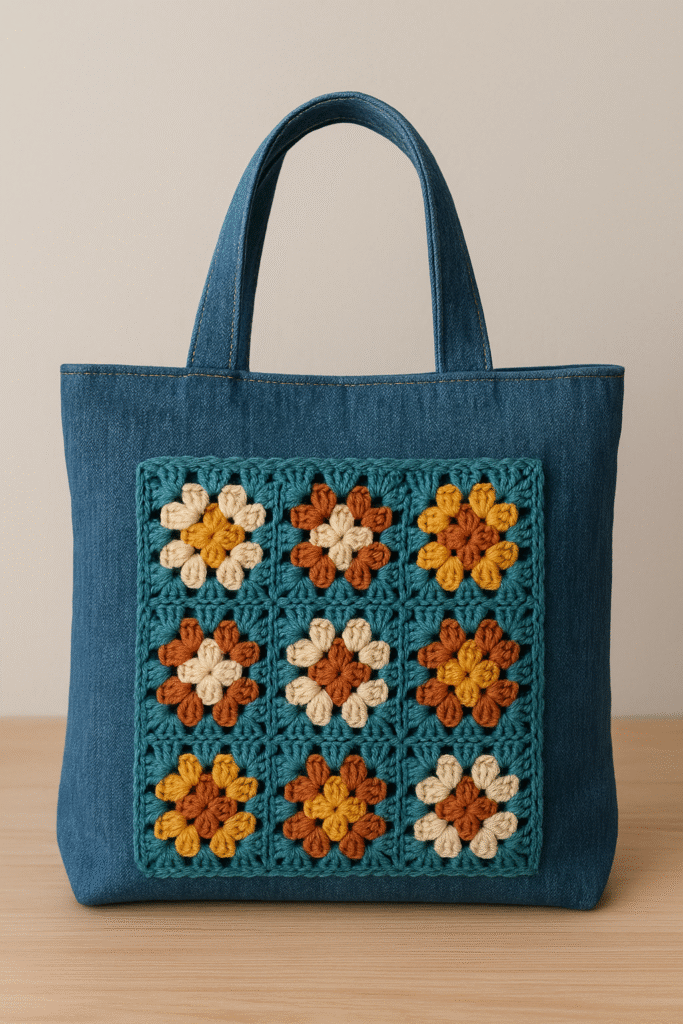
Tote bags are practical, sturdy, and perfect for combining quilting and crochet. The body of the bag can be quilted fabric, while the straps, pockets, or decorative elements can be crochet. Alternatively, crochet panels can be combined with quilted sides to create a unique bag. Mixing these materials adds durability and aesthetic appeal. Using fabric lining inside crochet bags also improves structure, making the bag more functional.
Using Crochet to Join Quilt Pieces
Instead of sewing quilt blocks together, you can use crochet techniques to join fabric pieces. After edging quilt blocks in blanket stitch, you can join them with single crochet or slip stitch seams. This method creates a textured, raised join that highlights each block. Crochet joining is especially useful for decorative items where flexibility and texture are desired. It adds character and makes the quilt look handmade and unique.
Experimenting With Color and Texture
Combining crochet and quilting allows you to play with color, pattern, and texture in ways not possible with a single medium. Yarn and fabric interact differently with light, creating depth and visual interest. Crochet can soften sharp quilt lines, while fabric can stabilize loose crochet patterns. Bringing the two together encourages creative experimentation and results in stunning hybrid pieces that reflect your personal style.
Embracing Creative Freedom
There are no strict rules when combining crochet and quilting. Every project is an opportunity to explore new techniques, mix colors, and create something that feels truly original. Whether you create a crochet-edged quilt, a mixed-media wall hanging, or a patchwork of fabric and yarn squares, these projects celebrate imagination and craftsmanship.