
Wall quilts are a beautiful way to bring color, texture, and personality into your home. Unlike traditional bed quilts, wall quilts function as decorative art pieces, allowing you to experiment with bold designs, detailed stitching, and expressive techniques. Whether your style is modern, minimalist, traditional, or rustic, wall quilts offer an exciting canvas for creativity. They can be as simple or intricate as you want, making them perfect projects for both beginners and experienced quilters. This guide explores inspiring wall quilt ideas and teaches you how to sew them step by step.
Why Wall Quilts Are Special
Wall quilts are unique because they combine the craftsmanship of quilting with the decorative impact of artwork. They allow you to showcase color palettes, patterns, and textures in a vertical format that instantly enhances your living space. Wall quilts are also smaller and faster to complete than bed quilts, giving you more freedom to try new techniques. Because they are hung rather than used, they do not require the same level of durability, making them ideal for creative experimentation.
Choosing the Right Design for Your Space
Before sewing a wall quilt, consider where it will be displayed. The style of your room should influence your design choices. For example:
In minimalist spaces, geometric patterns with clean lines create a modern feel.
In rustic or farmhouse-style rooms, traditional blocks or muted color palettes work beautifully.
Bright, bold designs suit boho and eclectic spaces.
Neutral or soft-toned quilts enhance bedrooms and calm environments.
The scale of the quilt also matters. Large wall quilts make bold statements, while smaller pieces offer subtle decoration.
Modern Geometric Wall Quilts
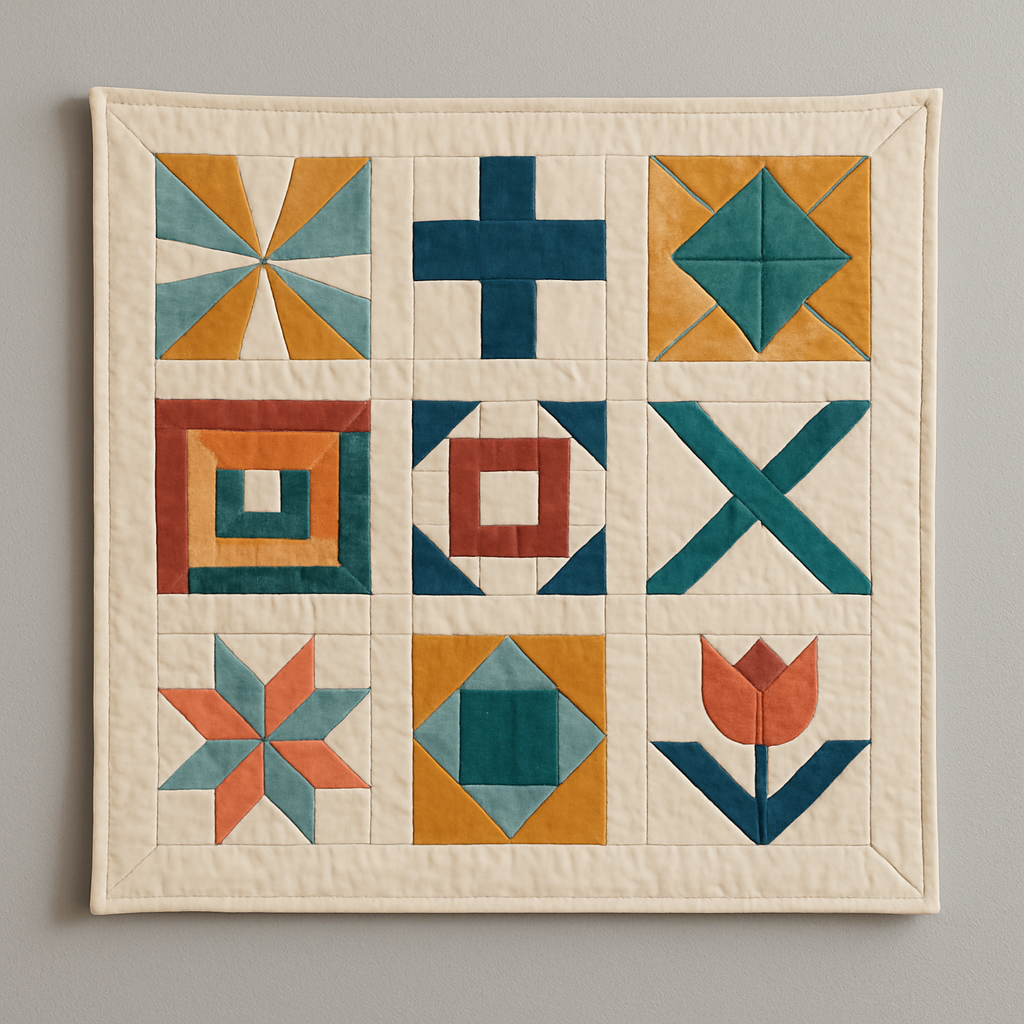
Modern geometric designs are among the most popular choices for wall quilts. They use clean lines, strong shapes, and high contrast to create striking visuals. Popular patterns include:
Half-square triangle compositions
Chevron or zigzag layouts
Color-blocked rectangles or squares
Improvised geometric designs using fabric scraps
Modern wall quilts often feature solid fabrics or minimalist palettes, making them easy to sew and visually impactful.
Traditional Block Wall Quilts
Traditional quilt blocks, such as Log Cabin, Ohio Star, and Flying Geese, adapt beautifully into wall art. These patterns carry historical meaning and offer timeless beauty. A single oversized block can function as a bold focal point, while a collection of small blocks creates a patchwork effect. Traditional blocks work well in country, farmhouse, and classic home décor styles.
Appliqué Wall Quilts
Appliqué allows you to add shapes, motifs, and detailed artwork to your quilt. Popular appliqué themes include:
Flowers and botanical designs
Animals and birds
Hearts, stars, and geometric motifs
Seasonal or holiday-themed designs
Appliqué is ideal for wall quilts because it adds depth and texture. You can use raw-edge appliqué for a modern look or needle-turn appliqué for a soft, traditional effect.
Art Quilts
Art quilts push beyond traditional quilting techniques and function as textile art. These quilts may use:
Layered fabrics
Freestyle stitching
Fabric painting
Embroidery
Mixed media elements such as yarn, lace, or beads
Art quilts allow complete creative freedom and are perfect for quilters who enjoy experimenting. Because they hang on a wall rather than needing to withstand heavy use, the possibilities are endless.
Mini Quilts
Mini quilts are small decorative pieces that are quick to make and perfect for beginners. They can be as simple as a single block or as detailed as a miniature landscape. Mini quilts look wonderful when grouped together in a gallery-style arrangement. They are also excellent practice for testing new color combinations or patterns before committing to larger projects.
Rainbow and Color Gradient Quilts
Wall quilts are the perfect opportunity to explore vibrant colors. Rainbow quilts, ombré gradients, and color wheels create stunning visual displays. These designs work especially well with solid fabrics, which highlight smooth transitions and striking contrasts. Gradients can be made using squares, strips, or triangles, depending on your preferred style.
Landscape and Nature Quilts
Landscape quilts are inspired by nature and can depict mountains, fields, forests, or oceans. These quilts often use appliqué, free-motion quilting, and color blending techniques. Soft earth tones or bright sunset hues can transform fabric into beautiful scenic artwork. Landscape quilts make excellent décor for living rooms, cabins, or cozy reading spaces.
How to Sew a Wall Quilt: Step-by-Step
Although wall quilts vary in technique and complexity, the basic construction process remains similar. Here is a simple guide to help you sew your own wall quilt:
1. Choose Your Design
Select a pattern or create your own sketch. Consider the size of the space where the quilt will hang. Decide whether the design will use blocks, appliqué, or freeform piecing.
2. Select Fabrics
Choose fabrics that complement your room décor. Solids work well for modern designs, while prints add dimension and personality. Make sure all fabrics are high-quality quilting cotton for best results.
3. Cut Your Pieces
Use a rotary cutter, cutting mat, and acrylic ruler to cut your pieces accurately. Precision is essential for clean lines and proper alignment. Follow your pattern’s measurements carefully.
4. Sew the Blocks or Panels
Piece each section of your quilt using a consistent quarter-inch seam allowance. Press seams after sewing to keep your quilt top flat and accurate. Assemble the blocks or panels according to your chosen layout.
5. Create the Quilt Sandwich
A wall quilt sandwich includes:
Backing fabric
Batting (thin batting is ideal for wall quilts)
The quilt top
Smooth out all layers, then baste them together with pins or spray adhesive.
6. Quilting the Design
Quilting adds texture and dimension. You can quilt by hand or machine using techniques such as:
Straight-line quilting
Free-motion quilting
Echo quilting
Stitch-in-the-ditch
Choose quilting patterns that enhance your design without overwhelming it.
7. Add the Binding
Binding finishes the edges of your quilt. Use straight-grain binding for wall quilts unless they have curved edges. Attach the binding using a clean, even seam for a polished appearance.
8. Add a Hanging Sleeve
A hanging sleeve is essential for displaying your quilt. Sew a fabric tube to the back of the quilt, leaving enough room for a rod. This ensures your quilt hangs smoothly without distortion.
9. Hang and Enjoy
Choose a secure rod or hanger and display your quilt where it will receive natural light and attention. Wall quilts bring warmth and artistry into any room.
Tips for Successful Wall Quilts
Here are a few tips to help your wall quilts look professional:
Use thin batting to minimize bulk.
Choose contrasting thread for dramatic quilting or matching thread for a subtle look.
Press seams carefully for sharp lines.
Add stabilizer behind light fabrics if needed.
Block your quilt if it does not hang straight.
Bringing Personality Into Your Wall Quilts
What makes wall quilts special is how personal they can be. Each fabric, stitch, and color choice reflects your creativity. Whether you follow traditional patterns or explore freeform artistry, wall quilts turn fabric into meaningful décor.